

1944
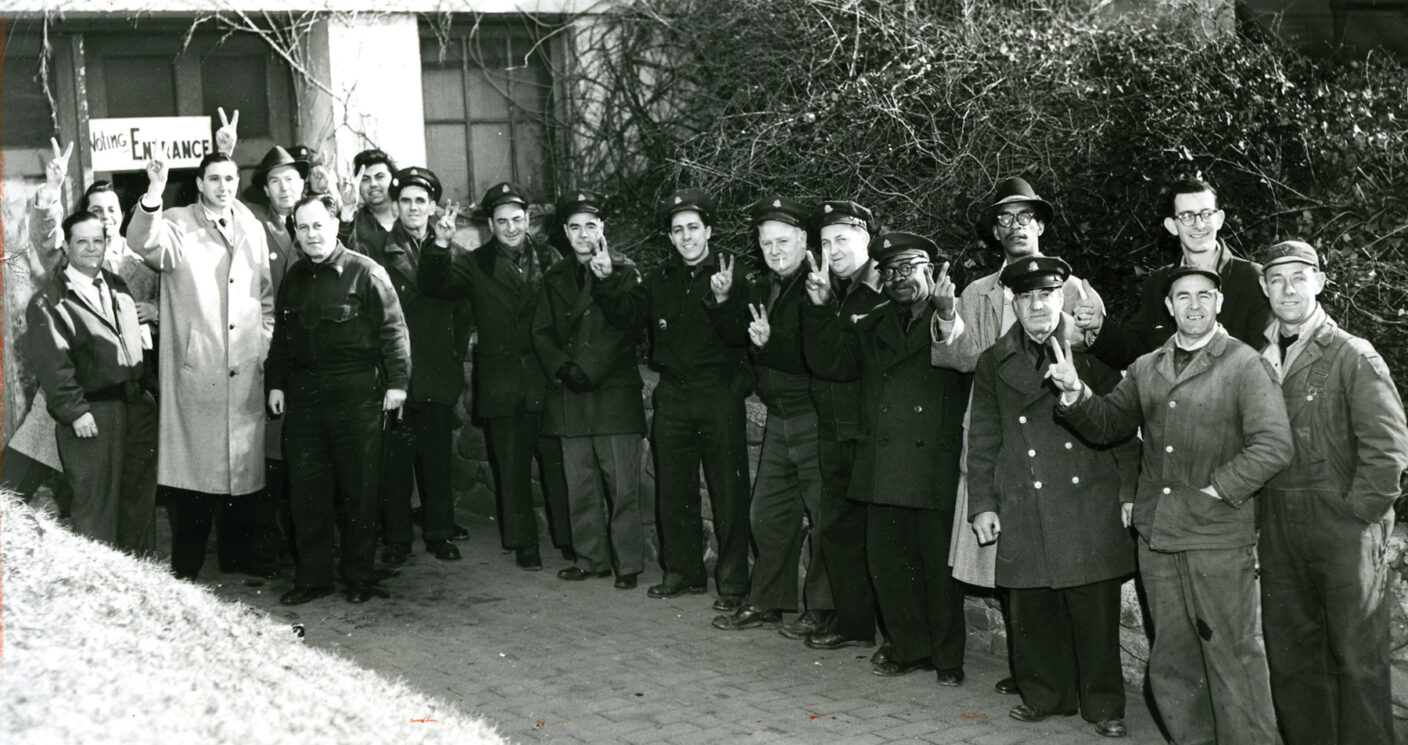
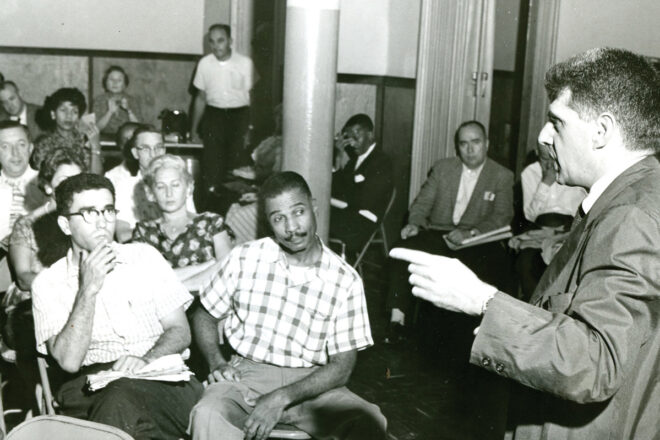
AFSCME grants a charter to District Council 37 in New York City, unifying several AFSCME-affiliated local unions. Under the leadership of Henry Feinstein, the union begins a period of gradual growth in an anti-public worker environment. Through the strategic hiring of dynamic staff, including future DC 37 Executive Director Jerry Wurf, the foundation is set for the union to secure major victories in bargaining rights, organizing, and steady membership growth in the following decades.
1956
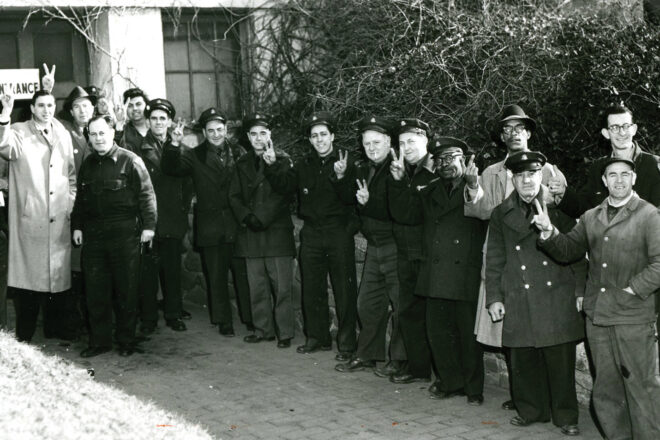
After Mayor Robert Wagner establishes a code of rights for the City’s public workers, DC 37 sets its sights on Parks Commissioner Robert Moses, who rules his department (and urban planning efforts) as an unelected autocrat. After an extensive campaign including a walkout by 2,000 workers, Moses is defeated when Parks Laborers vote overwhelmingly to join the union in January 1956. The impact leads to additional pro-labor actions from Wagner, culminating in an executive order mandating collective bargaining for City employees in 1958.
1965
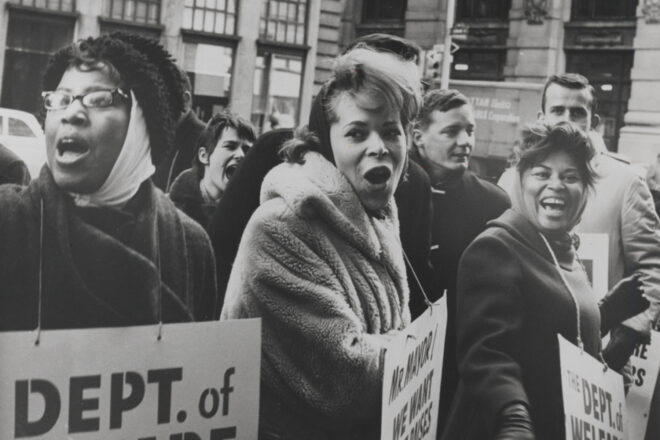
After Wurf is elected President of AFSCME, Chicago-based Victor Gotbaum and Lillian Roberts arrive to lead DC 37 during the January 1965 Welfare Workers strike. In winning that strike, public workers receive more substantial collective bargaining rights. Roberts also leads a rough-and-tumble organizing campaign in the City’s hospitals. By focusing on the dignity of work and professional opportunities through the union’s training and education classes, DC 37 wins the campaign in December 1965. Both events lead to explosive growth, making the union a labor powerhouse in New York City politics.
1974-1976
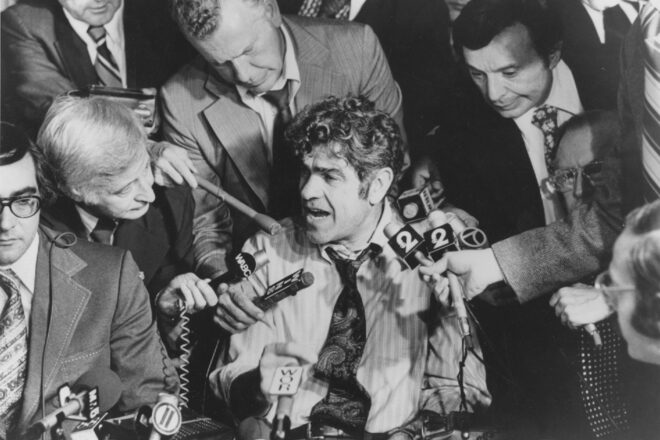
New York City is in financial trouble. In the fall of 1974, Mayor Abe Beame announces a serious gap in the City’s finances, including billions of dollars of debt. In the spring of 1975, bankers cut off the municipality’s credit and demand repayment of short-term loans. DC 37 Executive Director Victor Gotbaum convinces other union leaders to help the City avoid fiscal collapse by deferring a 6% wage increase for municipal employees and allowing public worker pension funds to buy City bonds. These efforts preserve the collective bargaining process, save tens of thousands of jobs, and rescue America’s largest city from potential bankruptcy.
2001
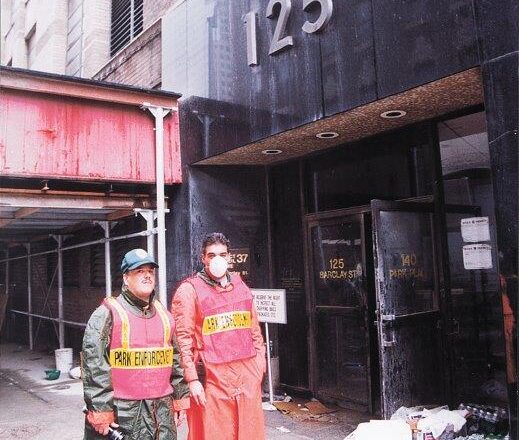
On a late summer Tuesday, Primary Day, two passenger planes strike the Twin Towers of the World Trade Center during a horrific terrorist attack. Four DC 37 members die in the attack: Mychal Judge, a Local 299 City Chaplain; Paramedic Carlos Lillo, Local 2507; EMS Lieutenant Ricardo Quinn, Local 3621; and Chet Louie, an OTB Betting Clerk in Local 2021, the latter while working at Cantor Fitzgerald. Hundreds of DC 37 members risk their health and, ultimately, their lives during the recovery and cleanup efforts at the site. The union’s headquarters at 125 Barclay closes temporarily, with staff dispersed to multiple locations. Since then, DC 37 is at the forefront of pushing for legislation to provide health monitoring and treatment for the workers, volunteers, and others who were in the area during and after the attacks.
2012-2019
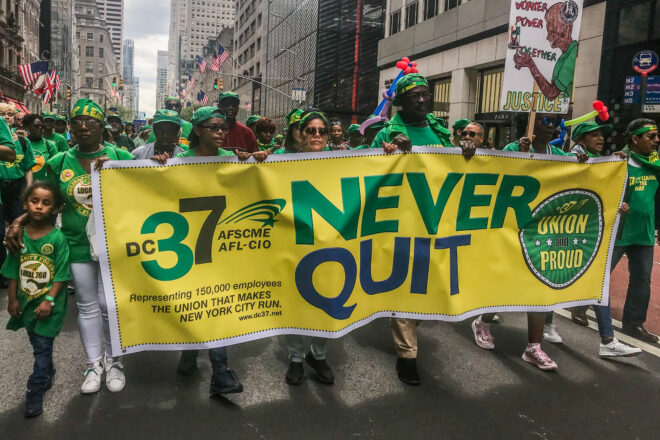
Hurricane Sandy strikes New York City in late October of 2012. The union’s headquarters is flooded out with severe damage to the electrical systems.
In 2015, the union begins engaging in a major organizing campaign to sign agency fee payers as members while anti-public union court cases (Freidrichs and Janus) work their way to the Supreme Court.
The union gains 20,000 members and a stronger foothold in the non-profit and private sectors when it unifies with AFSCME DC 1707 in 2019. At this time, the union also moves into temporary office space as a massive redevelopment effort begins to modernize its headquarters at 125 Barclay.
2020
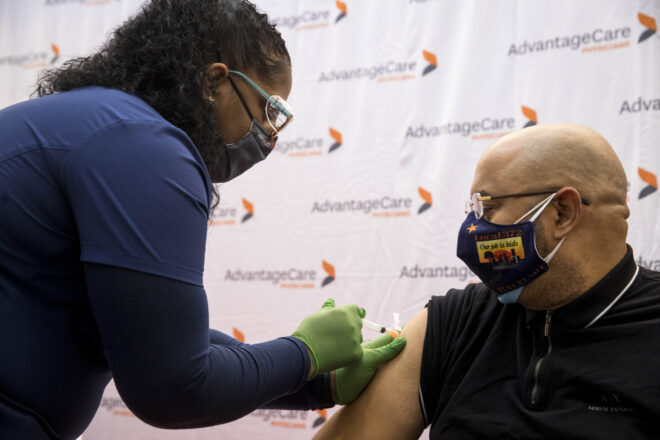
It begins slowly—then suddenly. By mid-March of 2020, the COVID-19 pandemic hits New York City, overwhelming the city’s hospitals and forcing a shutdown that closes most businesses. Nearly all non-essential employees work from home for more than a year. DC 37 members in many job titles, however, continue showing up to work, risking their lives to carry out their service to the public: as building inspectors, hospital workers, social services employees, and in-home care. Hundreds of public workers die and thousands fall sick from the virus but continue their critical work. In the early weeks of the pandemic, the union secures Personal Protective Equipment for its members. DC 37 also fights to prevent layoffs of public workers, and when vaccines become available, it engages in a successful campaign to encourage City workers and the public to vaccinate.
2024
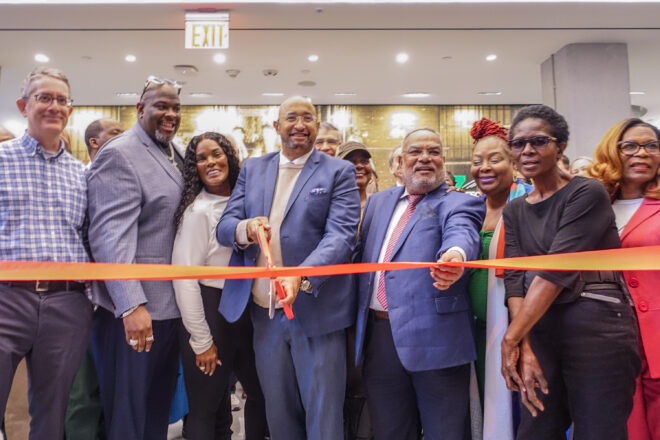
After more than five years of reconstruction and sustainable retrofitting, the union’s longtime home at 125 Barclay Street reopens to members in late October 2024. The state-of-the-art facility reflects DC 37’s commitment to forward-thinking, progressive change and serving its members’ and retirees’ needs. DC 37 Headquarters is designed to lower energy use and limit environmental impact. With a dedicated Member Resource Center, Education Center, and multiple floors devoted to consolidating the union’s departments and Locals under one roof, DC 37 demonstrates its investment in honoring the past while serving and preparing future generations of labor activists.