


A Tale of Two Keepers
By ACACIA RODRIGUEZ
The Animal Keepers of Local 1501 Wildlife Conservation Society (WCS) specialize in providing care for a variety of unique animal inhabitants at the Bronx Zoo, Queens Zoo, Central Park Zoo, and New York Aquarium. With many mouths to feed, exhibits to tidy, and personalities to learn, the routines are the same, but the animals remain wild as ever.
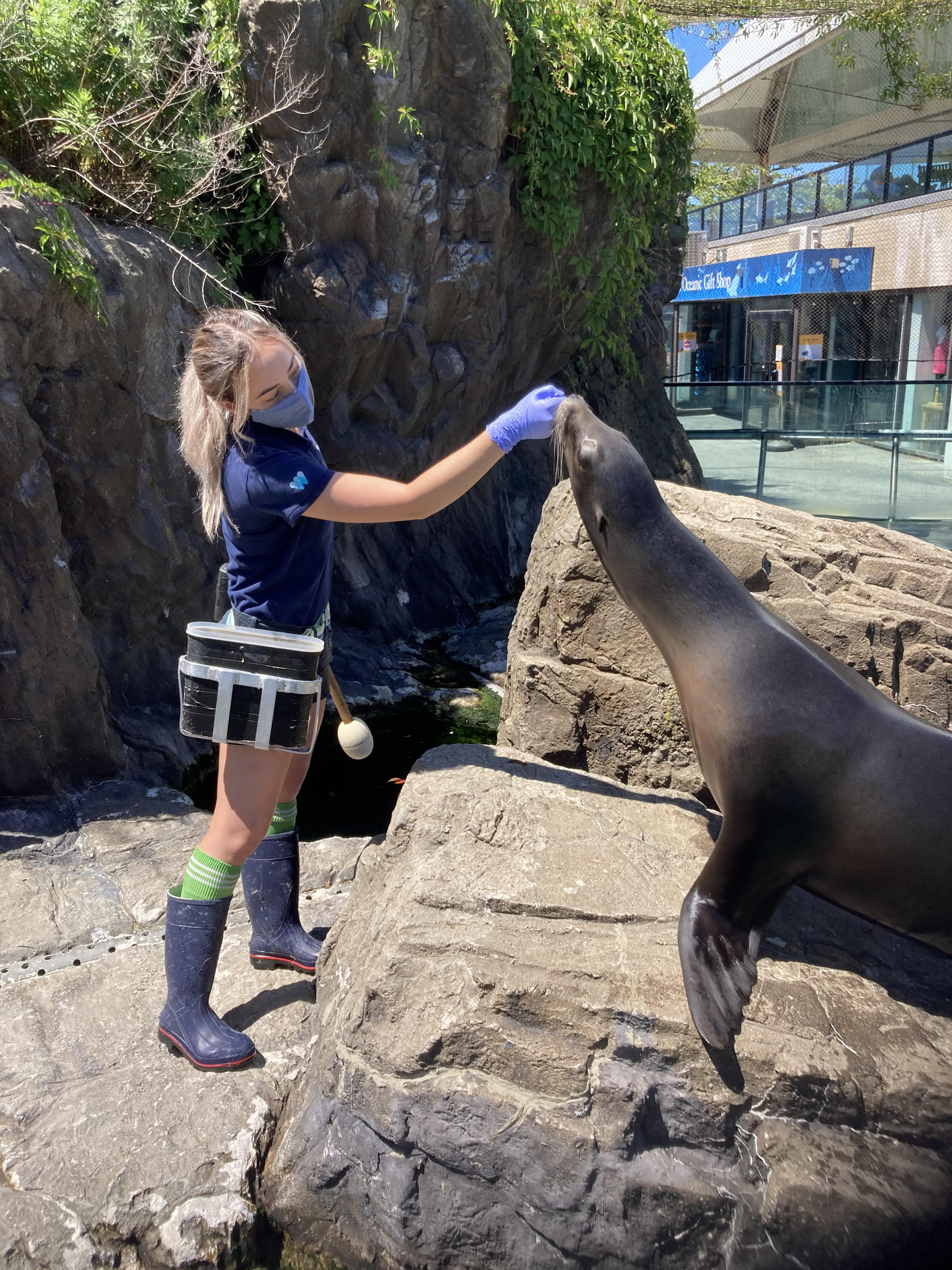
Wild Animal Keeper Meagan Fontanez has worked at the New York Aquarium’s Sea Cliffs for more than three years. The Sea Cliffs Exhibit is an outdoor section with habitats suitable for harbor seals, penguins, sea lions, and sea otters. After Fontanez earned an Environmental Science bachelor’s degree, she interned and volunteered in the section before working full time at the aquarium where she learned all about caring for her animal charges on the job.
“My whole life I’ve known I wanted to work with an environmental agency or animals in some capacity,” she said. “In college, I was a Biology major at first, and then I changed to Environmental Science. I realized postgraduate study wasn’t for me, so I applied to different internships. When I got this one, I ended up loving it here.”
At the Bronx Zoo’s Madagascar and Carter Giraffe building, Wild Animal Keeper Megan Draper tends to lemurs, sea lions, zebras, giraffes, aardvarks, hyenas, and African-painted dogs. During the two-and-a-half years she’s spent in the Mammals department, Draper has made great use of her Bachelor of Science in Psychology and Masters Degree in Field Research to train the animals.
“Many species share basic principles of behaviorism, so we increase or decrease behaviors by changing the animals’ external environments using rewards,” Draper said. “We train the animals to do behaviors that help us care for them. For example, we train an animal to go into a crate in case they need to go to the vet or stand on a scale so we can keep track of their weight.”
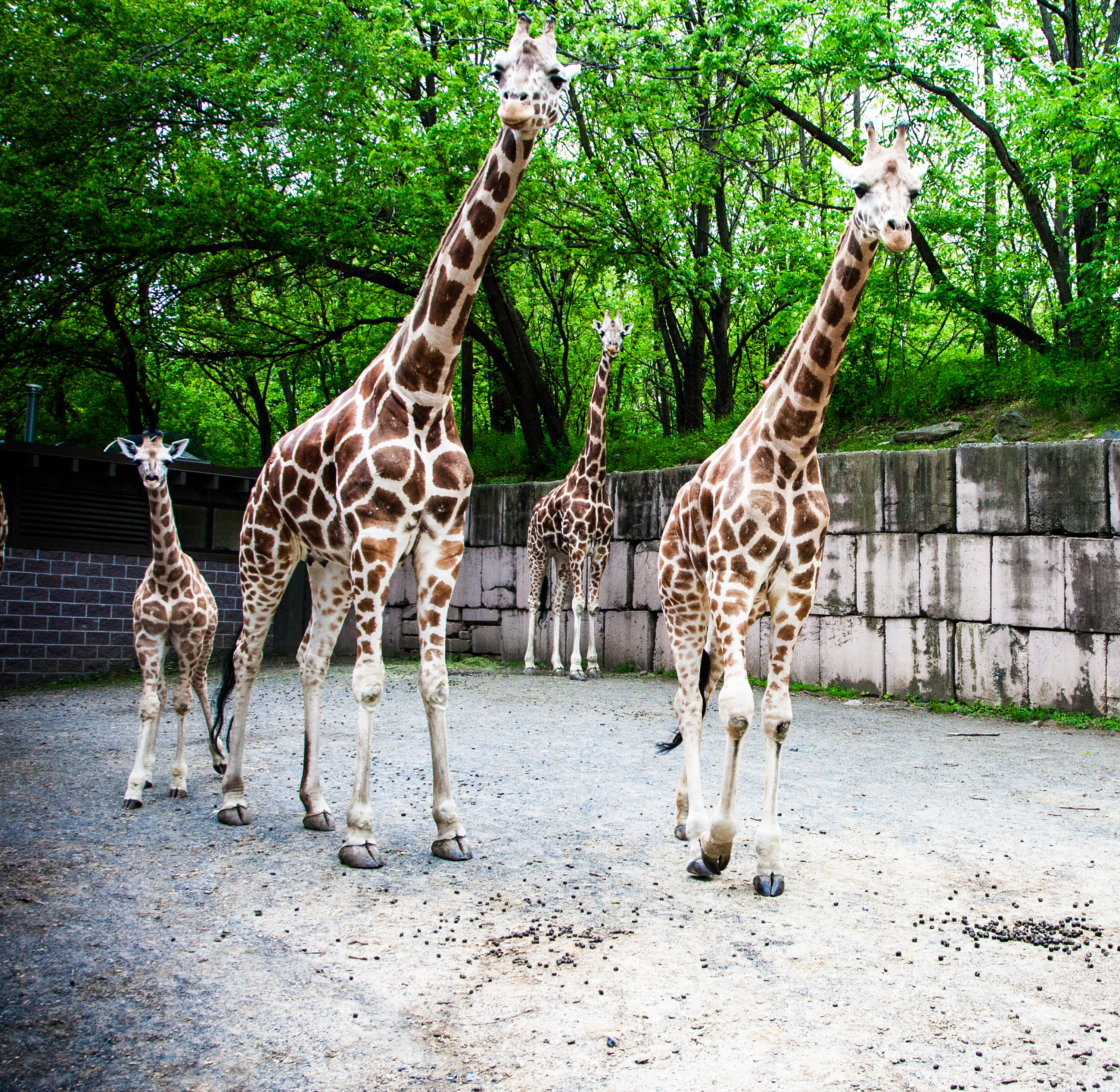
Historically, zoos took animals out of the wild for display and entertainment. Today, modern accredited zoos like the Bronx Zoo are focused on conservation efforts that provide rehabilitation for animals fit to be released into the wild and care for those that cannot be released.
“We typically do not take healthy animals out of the wild unless they cannot survive on their own,” Draper said. “The vast majority of animals who cannot be released were born in the zoo. However, some of the bison at the Bronx Zoo are bred and put into a program where they are reintroduced to the wild. There are multiple programs for various species. That’s how zoos directly contribute to conservation.”
Before the aquarium and zoo opens, animal attendance is taken along with a health status check to compare with the previous day and an environmental safety check. After every resident is accounted for and living spaces cleaned, keepers prepare and feed the animals according to their specialized diets, then set out fish or meat to thaw in refrigeration for the next day’s feedings (fruit and vegetables are kept fresh). Public exhibits and private areas for the animals are tidied and refreshed.
Animals are fed several times throughout the day and have the option of participating in activities. If animals are not interested in keeper-led enrichment or training, they can relax in a private area away from the public.
Enrichment activities help develop natural behaviors the animals would present in the wild and those that are useful for their care and mental stimulation. In addition to food, the keepers can use the activities as an incentive for animals that prefer more hands-on interaction.
“Some animals do allow tactile reinforcement like back scratches and belly or whisker rubs,” Fontanez said. “It just depends on the animal and the training they’re comfortable with after you build a relationship with them.”
Most of the animals split their time between indoors and outside, depending on the weather. Much like their calculated diets, land and water habitats are temperature-controlled for optimal comfort. When the weather gets cooler, animals are given extra bedding and their heaters and water sources are checked daily. Animals like the sea lion or bison have adapted to freezing weather, while animals like penguins from Australia and South Africa or giraffes must stay out of the cold.
Rain or shine, winter or summer, the Animal Keepers cater to a myriad of needs and preferences.
“As animal keepers, we try to do everything with the animals in mind first,” Draper said. “We care very deeply about the animals and what will benefit their lives in the long run.”