

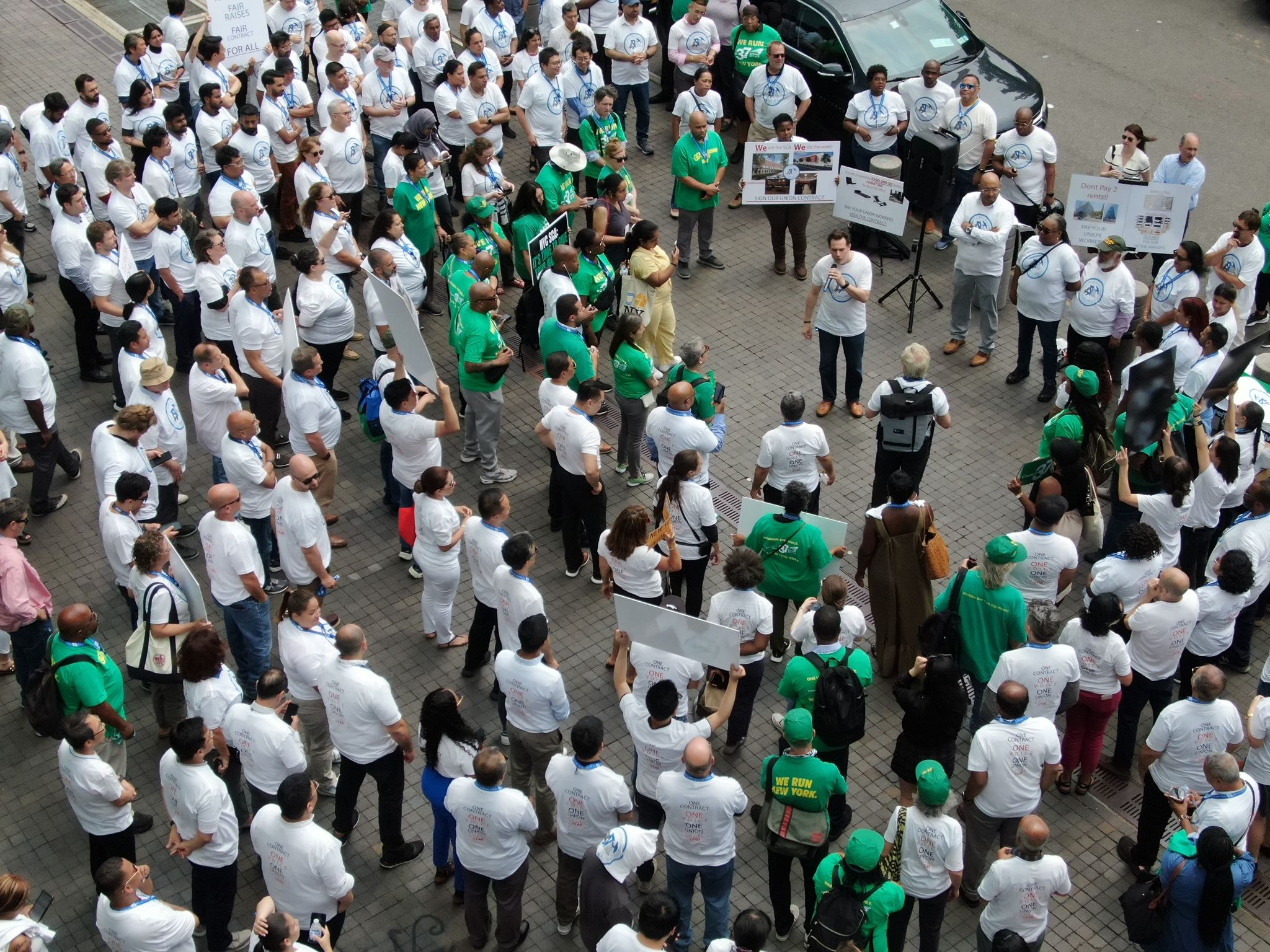
Wall to Wall: Met Workers Fight for Unified Voice
By JUSTINA RAMLAKHAN
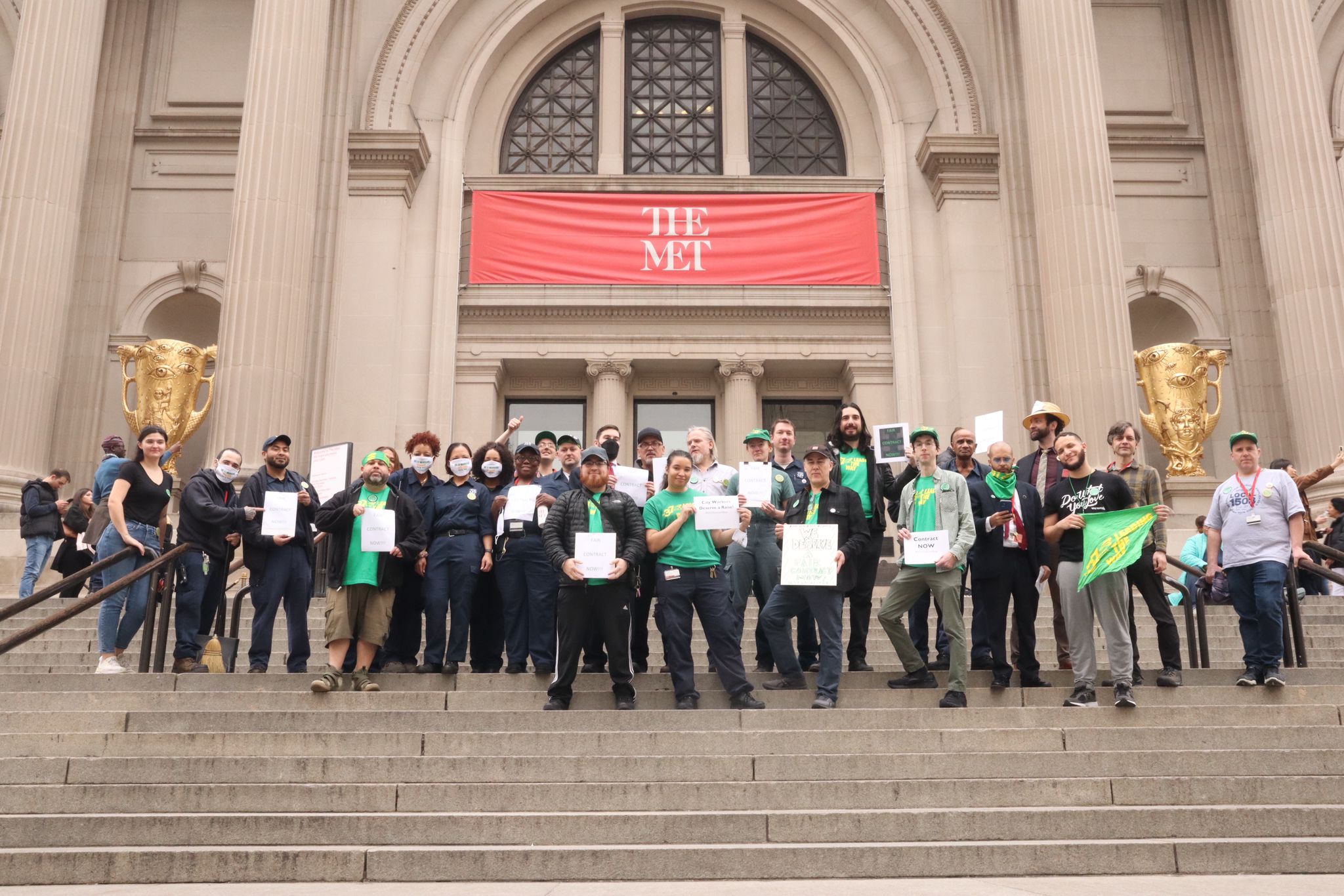
The Metropolitan Museum of Art, or the Met as it’s more commonly known, offers more than 5,000 years of art from around the world for New Yorkers and tourists alike to experience and enjoy. The museum has been a treasury of rare and beautiful objects since its founding in 1870.
Employing approximately 1,600 staff members, the Met classifies most of its employees as “at-will,” meaning they can be terminated by their employer at any time, for any reason, as long as it’s not illegal. When an employee is acknowledged as being hired “at will,” courts deny the employee any claim for loss resulting from a dismissal.
“As stakeholders in this institution’s success, we are frustrated with the lack of a legitimate voice on the job to gain better wages, benefits, and work policies,” said Antonio Martinez, a member of the organizing committee and a former Visitor Experience Ambassador at the Met Cloisters. “We often feel overworked with unclear job boundaries. Many of us are in precarious positions where we struggle with the uncertainty of job security year to year.”
DC 37 presently represents more than 700 museum attendant guards, technicians, and maintainers in Local 1503 who are employed at the Met site on Fifth Avenue and the Met Cloisters site in Fort Tryon Park. Local 1503 has fought for better working conditions and better benefits since its recognition in 1957.
Though DC 37 represents security staff at the Met, the National Labor Relations Act’s (NLRA) “guard exemption” treats guards differently than other employees to prevent mixed loyalties and potential conflicts of interest. The NLRA exemption prevents the National Labor Relations Board (NLRB) from requiring employers to recognize or certify bargaining units that include both guards and non-guards. Employers may voluntarily choose to recognize and bargain with a mixed-guard union.
An organizing effort underway at the museum seeks to include all non-management employees in their own bargaining unit separate from museum security, maintenance, and technicians that would include titles from curatorial, visitor experience, retail, gardens, IT, the museum library, administration, and others.
“The goal of this campaign is one union, wall to wall,” said Fareed Michelen, DC 37 Director of Organizing. “Wall-to-wall organizing creates leverage to negotiate the strongest possible labor contract for our members. When workers are divided by management or separate unions, they are pitted against each other. There is power in numbers, together and under one union, which only DC 37 can provide.”
Non-union employees have expressed frustration with disparities in the way management addresses worker concerns and issues, often feeling ignored or unheard by their superiors.
“There is a contrast between how management treats union and non-union employees,” said Anthony Smith, Museum Guard at the Met and member of Local 1503. “The difference lies in the power of a collective bargaining agreement that will give us a true voice on the job to improve our working conditions.”
Several Local 1503 members sit on the organizing committee to help guide and support the non-union employees in pursuit of their goal toward a wall-to-wall union.
“Whether it be the constant fight for better pay, exercising a collective voice, or increased job security, Local 1503’s presence at the museum has made a noticeable difference on working conditions at the Met,” said Rawle Campbell, Local 1503 president. “Local 1503 has fought for and delivered to its members improved wages, job security, benefit enhancements, and most importantly, a seat at the table to discuss issues that impact members in the workplace.”
The current organizing effort faces challenges from both museum management engaging in anti-union tactics to dissuade museum staff from seeking union representation and an opposing union drive from the United Auto Workers (UAW). Though UAW does not historically represent workers from cultural institutions, the union does represent technical, office, and professional workers at the Brooklyn Museum under UAW Local 2110.
DC 37 participates in AFSCME’s Cultural Workers United (CWU) that represents 35,000-plus cultural workers across the country, more than any other union, including 10,000 museum workers at 100 cultural institutions. CWU has garnered victories at institutions, including the American Museum of Natural History, Brooklyn Art Museum, Brooklyn Museum, Brooklyn Children’s Museum, El Museo del Barrio, LA MOCA, and the Philadelphia Museum of Art, representing both full-time and part-time roles.
“Organizing is not just about increasing our members’ economic benefits; organizing is about leveraging power away from billionaires and corporations to working people,” Michelen said. “We’re shifting the power dynamics in favor of working families. We hope that through a successful organizing drive at a prestigious institution like the Met, we will strengthen labor standards for cultural institution workers across New York City.”
Stay up to date with the progress of the organizing campaign by following One Met One Union on Instagram at @onemetoneunion